Work gloves, logging gloves, and hand protection
White Ox Gloves: Tough Cotton Logger Gloves for Firewood, Timber, and Rough Work
A practical review of White Ox logger gloves, including construction, fit, break-in, safety limits, chainsaw-use warnings, real-world work uses, and when a certified protective glove is the better choice.
I saw this picture on Reddit, and it tells a story every hard-working person understands. The original poster said:
"Firewood cutting on Tuesday. I felt a tug on my glove while loading a 6-inch white pine log in my truck. It wasn’t until I got home that I noticed this hole. You can imagine what my finger would’ve looked like, had I been barehanded. It’s not easy to rip open a White Ox logger’s glove."
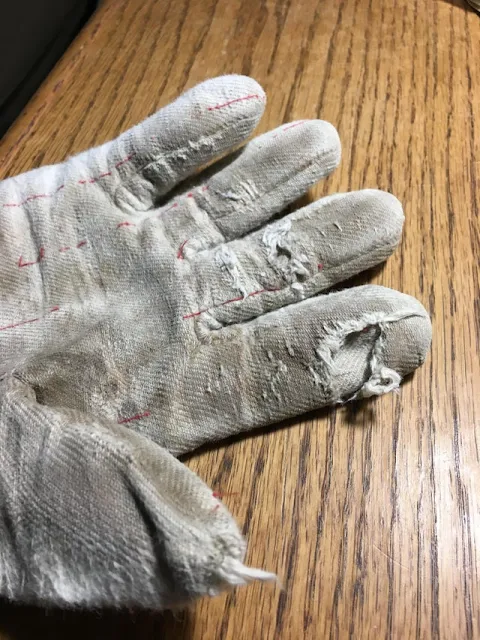
That picture says it all. When you are dealing with timber, firewood, rough lumber, fencing, rigging, landscaping, sawmilling, or general heavy work, your hands are your most valuable tools. The White Ox Glove is not just a throwaway cotton glove. It is a classic logger’s glove built around thick canvas, a quilted palm, and a practical design that has earned a long reputation around forestry and timber work.
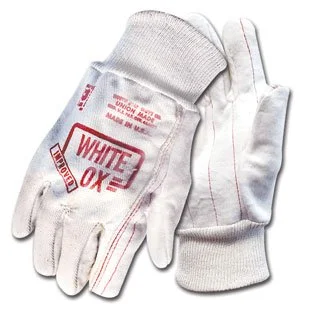
North Star describes the White Ox as a glove known by loggers and woodsmen for more than 70 years, made from 100 percent cotton, with a fourchette pattern, a double-ply quilted palm equivalent to 22-ounce canvas thickness, a 10-ounce canvas back, fuzzy nap inside and outside, and a knit wrist to help keep debris out.
Quick verdict: White Ox gloves are excellent rough-work gloves for handling timber, loading firewood, moving lumber, stacking rounds, general yard work, and workshop abuse. They are not a certified chainsaw cut-protection glove, and they should not replace proper chainsaw PPE when operating a saw.
What makes White Ox gloves different?
Most cheap work gloves fail in predictable ways. The palm wears through. The stitching opens. The fingers twist. The glove gets sloppy once sweaty or wet. White Ox gloves have survived as a workwear favourite because they solve several of those problems in a simple, old-school way.
100 percent cotton canvas construction
Cotton canvas is breathable, grippy, and comfortable once broken in. It does not feel like thin synthetic garden gloves, and it is useful when you want abrasion resistance without the stiffness or cost of leather.
Double-ply quilted palm
The palm is the business end of a work glove. White Ox uses a double-ply quilted palm equivalent to a 22-ounce canvas thickness, giving more padding and abrasion resistance where ropes, logs, handles, and rough timber usually do their damage.
Fourchette finger pattern
A fourchette pattern uses separate side panels between the fingers. That helps the glove fit more naturally and gives better dexterity than a flat, boxy glove pattern.
Knit wrist and fuzzy nap
The knit wrist helps keep chips, bark, and sawdust out. The fuzzy nap improves comfort inside the glove and adds a little extra bite on the outside for grip.
Best uses for White Ox logger gloves
White Ox gloves make the most sense when the job is abrasive, splintery, dirty, or hard on the palm. They are especially useful when you need grip and padding but do not want to destroy expensive leather gloves in sap, oil, dirt, bark, or mud.
| Job | Why White Ox works well | Limit |
|---|---|---|
| Firewood loading and stacking | The thick palm helps against bark, splinters, sharp knots, and rough log ends. | Wet gloves can lose comfort and grip. Keep a spare pair dry. |
| Sawmill and lumber handling | The glove protects against abrasion while preserving decent dexterity. | Not cut-proof against powered blades or sharp metal edges. |
| Fencing and farm chores | Good general protection for posts, wire handling, rough timber, and gear movement. | Barbed wire and sharp metal can still punch through cotton. |
| Yard work and brush cleanup | The canvas palm gives better protection than thin garden gloves for branches, sticks, and debris. | Thorns may still penetrate. Use thorn-resistant gloves for roses, gorse, blackberry, or cactus-type work. |
| Rough workshop tasks | A practical glove for moving material, handling tools, and doing dirty work where disposable gloves are too weak. | Not a chemical glove, not an electrical glove, and not a certified welding glove. |
That last column matters. A tough glove is not the same thing as the right glove for every hazard.
Are White Ox gloves safe for chainsaw use?
This is where the advice needs to be blunt. White Ox gloves are great for handling wood. They are not the glove I would choose as my primary hand protection while running a chainsaw.
For chainsaw operation, look for gloves designed for chainsaw use and marked to the relevant cut-protection standards. EN 381-7 is a well-known glove standard for protection against hand-held chainsaw cutting, and newer EN ISO 11393 glove standards also exist in this space. Proper chainsaw gloves use protective layers designed to clog or slow the chain during accidental contact.
Use the right glove for the right phase of the job
Use certified chainsaw gloves, helmet, visor or eye protection, hearing protection, chainsaw chaps, and boots while cutting.
Then switch to durable White Ox gloves for loading rounds, stacking firewood, carrying branches, and cleaning up the work site.
If you want chainsaw-specific hand protection, look at gloves designed for that purpose, such as Husqvarna saw protection gloves, and pair them with the rest of your chainsaw PPE.
Cotton, heat, sparks, and welding: what White Ox gloves can and cannot do
The old appeal of cotton work gloves is that cotton chars rather than melting like some synthetics. That can matter around brief spark exposure or hot debris. It does not make White Ox gloves a specialist welding glove.

Good for brief rough-work exposure
Cotton canvas can be useful around occasional sparks, hot chips, rough handles, and warm material where thin synthetic gloves would be a poor choice.
Not a substitute for welding PPE
For welding, grinding, hot metal, arc flash risk, molten spatter, or long heat exposure, use gloves specifically rated and designed for that work. White Ox gloves are tough work gloves, not a full welding safety system.
Fit, break-in, and comfort
White Ox gloves can feel a little boxy at first. That is normal. Heavy cotton canvas often improves with use, especially once the glove starts shaping around your hand.
Break-in tips
- Buy the size that fits securely without crushing your fingers.
- Expect the glove to loosen and shape with work.
- Keep a dry spare pair if you are working around rain, snow, sap, fuel, or bar oil.
- Do not use badly torn gloves for jobs where finger protection matters.
- Retire gloves that have become oil-soaked, rotten, hardened, or too loose to grip safely.
Some users deliberately wet and wear cotton gloves to speed up shaping. That may help fit, but it can also shrink the glove and shorten its life if done harshly. Let the job break them in naturally if you are not sure.
Real-world verdicts: what users are saying
Do not just take our word for it. Here are genuine user comments from people who rely on these gloves, taken directly from Amazon:
"Boxy at first. I’ve found that it helps to get them wet and wear them until they’re dry to speed up the break in period. Once they shrink, they are a truly custom fit. Easy off and on. Tough gloves. Very glad I discovered these."
"Favorite gloves for logging and sawmilling."
"Good quality, cheap work gloves best suited for hard use and if you end up getting them saturated in bar oil / sap / gas / nasty stuff, you can toss them because they aren't that expensive and you have 11 other pairs in the truck."
"All good quality gloves are expensive, however I have used this brand for over 50 years and I still prefer them to all others. I expect that at my age, this bulk price quantity will out last me."
Pros and cons
What White Ox gloves do well
- Excellent abrasion resistance for the price.
- Thick palm protection for timber and rough material handling.
- More breathable than many leather or rubberised gloves.
- Comfort improves as the glove breaks in.
- Affordable enough to keep multiple pairs in the truck, shed, or workshop.
Where they fall short
- Not waterproof.
- Not a certified chainsaw cut-protection glove.
- Not a chemical-resistant glove.
- Not a dedicated welding glove.
- Can feel bulky before they break in.
Frequently asked questions about White Ox gloves
Are White Ox gloves made from leather?
No. White Ox gloves are cotton canvas gloves. Their reputation comes from thick construction, a quilted palm, and practical rough-work durability rather than leather.
Are White Ox gloves good for firewood?
Yes. Firewood handling is one of their best use cases. The thick palm helps protect against splinters, rough bark, sharp log ends, and abrasion while stacking or loading.
Are they suitable for chainsaw work?
They are suitable for handling wood before and after cutting. For operating a chainsaw, use chainsaw gloves that are designed and marked for cut protection, along with chaps, helmet, visor, hearing protection, and boots.
Do White Ox gloves shrink?
They can shrink if soaked and dried, because they are cotton. That can help some users get a closer fit, but it can also make sizing less predictable.
How long do they last?
That depends on the work. Logging, firewood, sawmilling, and farm use can destroy any glove eventually. The advantage of White Ox gloves is that they offer strong rough-work protection at a price where replacing worn pairs is realistic.
How this guide was prepared
This guide was updated for The Tool Yard with practical hand protection in mind. It keeps the original user-review angle but adds product construction details, real-world use cases, safety limits, chainsaw PPE context, and clearer guidance on when White Ox gloves are the right choice.
For dangerous work, always match the glove to the hazard. Cotton logger gloves can be excellent for rough handling, but chainsaws, chemicals, electricity, hot metal, and powered blades all require purpose-built PPE.


