A dryer lint filter is easy to ignore until the frame cracks, the mesh tears, clothes come out fuzzy, or drying times start creeping up.
That small screen is doing more than catching fluff. It helps your dryer breathe. When the lint filter is damaged, clogged, warped, missing, or poorly fitted, airflow can suffer. That can mean longer drying cycles, more heat inside the machine, more lint reaching the vent system, and more work for the dryer.
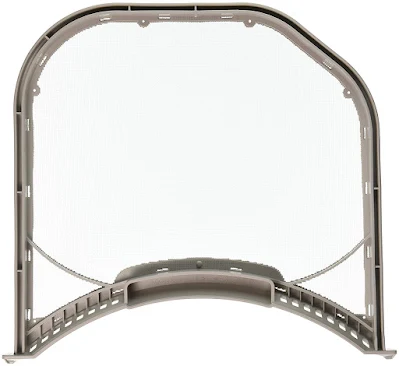
For many LG dryers, the replacement part buyers look for is the LG ADQ56656401 Dryer Lint Filter. This guide explains what the part does, how to check whether it fits your model, when to replace your lint screen, whether an OEM part is worth buying, and how to keep the filter and dryer vent system working safely.
Buy the LG ADQ56656401 dryer lint filter if your LG dryer model is compatible and your current lint screen is cracked, torn, loose, warped, clogged, or missing.
Do not guess by appearance alone. Many dryer lint filters look similar but fit differently. Check the model number on your dryer, compare the part number, and confirm compatibility before ordering.
Good Reasons to Replace It
- The mesh is torn: A tear lets lint pass through the screen and into the dryer body or exhaust path.
- The frame is cracked: A cracked frame can stop the filter sitting flat, which may allow lint to bypass the screen.
- The filter no longer sits flush: A warped or loose filter can leave gaps around the edge.
- Drying takes longer than usual: A damaged or blocked lint filter is one possible cause, although the vent should also be checked.
Before You Buy
- Check your dryer model number: Look inside the door opening, on the door frame, or on the rear rating plate.
- Match the part number: The key part number for this article is ADQ56656401.
- Inspect your current filter shape: Compare the frame, tab, mesh area, and handle style with the listing photos.
- Do not run the dryer without a filter: If your current filter is missing, replace it before using the machine again.
What the Dryer Lint Filter Actually Does
A dryer works by moving heated air through wet laundry. That air picks up moisture, carries loose fibres away from the clothes, and exits through the exhaust system.
The lint filter catches the fibres before they move deeper into the dryer and vent path. That is its obvious job. Its less obvious job is helping maintain proper airflow. A clean, intact, properly seated screen lets air move through the machine while catching lint at the easiest point to clean.
When the filter is blocked, torn, missing, or badly fitted, the dryer can lose efficiency. It may run longer. Clothes may stay damp. The machine may feel hotter than normal. Lint may build up in places where you do not want it.
Dryer Safety Rule
Never operate a dryer without the lint filter in place. Clean the lint filter before or after each drying cycle, and check the vent system if clothes start taking longer than normal to dry.
Signs Your LG Dryer Lint Filter Needs Replacing
A lint filter does not need replacing just because it looks old. It needs replacing when it no longer catches lint properly, no longer fits correctly, or blocks airflow even after cleaning.
| Problem | What It Means | What to Do |
|---|---|---|
| Torn mesh | Lint can pass through the screen and move toward the dryer body or vent. | Replace the filter. A torn lint screen is no longer doing its main job properly. |
| Cracked plastic frame | The filter may flex, snag clothing, or leave gaps around the edge. | Replace it before the crack worsens or pieces break off. |
| Filter will not sit flush | The frame may be warped, bent, or the wrong part for the dryer. | Check the model number and replace with the correct compatible filter. |
| Lint appears inside the dryer beyond the filter | Lint may be bypassing the screen or the filter may not be seated correctly. | Inspect the filter, clean the slot, and check the vent path. |
| Clothes take longer to dry | Airflow may be restricted by the filter, lint trap housing, vent duct, or outdoor flap. | Clean the filter and vent system. Replace the filter if it is damaged or clogged with residue. |
| Filter smells, feels waxy, or holds water when washed | Fabric softener, dryer sheets, detergent residue, or lint oils may be clogging the mesh. | Wash the screen gently with warm water and mild dish soap. Replace it if airflow still seems poor. |
Why a Clean, Intact Filter Improves Drying
Drying performance is mostly about airflow. Heat matters, but hot air that cannot move properly will not dry clothes efficiently. If the air path is blocked, the dryer may run longer while doing a worse job.
- Better airflow: A clean lint filter allows warm, moist air to move out of the drum more easily. That helps the dryer remove moisture instead of simply reheating damp fabric.
- Shorter drying cycles: When airflow improves, clothes often dry faster. If the filter is damaged or clogged, the dryer may need extra time to finish the same load.
- Less lint inside the machine: A properly fitted filter catches lint before it reaches deeper areas. That helps reduce buildup inside the lint chute, blower area, and vent duct.
- Lower strain on the dryer: Restricted airflow can make the appliance work harder. Replacing a damaged filter is a cheap maintenance step compared with repairing a dryer that has overheated or clogged internally.
- Cleaner clothes: A torn or loose filter can let lint recirculate. That can leave fuzz on dark clothes, towels, bedding, and synthetic fabrics.
OEM vs Aftermarket Dryer Lint Filters
The original draft pushed the genuine LG part hard. That is fair if the price is close, but the better advice is more practical: buy the filter that fits properly and has a reliable mesh and frame.
OEM means Original Equipment Manufacturer. In this case, an OEM LG lint filter should match the shape, frame, handle, and screen specification intended for compatible LG dryers. Aftermarket filters can work, but they are not all equal.
| Option | Pros | Possible Downsides | Best For |
|---|---|---|---|
| Genuine LG OEM ADQ56656401 | Best chance of correct fit, proper frame shape, correct handle position, and reliable seating in compatible dryers. | May cost more than aftermarket versions, and stock can vary. | Buyers who want the safest fit choice and do not want to gamble on a near-match. |
| Aftermarket ADQ56656401-compatible filter | Often cheaper and widely available. | Fit, mesh quality, frame strength, and handle shape can vary by brand. | Buyers who have checked reviews carefully and confirmed the model match. |
| Used or salvaged filter | Can be cheap or free. | May already be warped, brittle, clogged, cracked, or residue-coated. | Only worth considering as a temporary spare if it is clean, undamaged, and fits perfectly. |
How to Check If ADQ56656401 Fits Your LG Dryer
Do not rely only on the picture. Dryer lint screens can look almost identical while differing by a few millimetres, a tab position, a frame shape, or a handle design.
- Find your model number: Open the dryer door and look around the door frame. If it is not there, check the rear panel or side rating label.
- Write the model number down exactly: Include every letter, number, dash, and suffix.
- Compare against the seller’s compatibility list: Search within the listing page for your exact model.
- Check the part number: Confirm the listing says ADQ56656401.
- Compare the shape: Look at the handle, frame, mesh area, corner shape, and insertion tab.
- Keep the old filter until the new one arrives: Compare them before throwing the old one away.
- Test the fit before running the dryer: The new filter should slide in cleanly and sit flush without forcing.
Where to Find the Dryer Model Number
On most dryers, the model label is inside the door opening, around the front frame, or on the rear of the machine. If the dryer is stacked or built into a tight laundry space, use your phone camera to photograph hard-to-read labels rather than dragging the appliance out without help.
Compatible LG Dryer Models Listed for This Filter
The original compatibility list is retained below, but treat it as a starting point rather than your only fit check. Model families, suffixes, regional variations, and listing errors can confuse appliance parts. Always confirm your exact dryer model before buying.
Not sure which model you have? Check the metal ID plate or sticker on your dryer. It is commonly found inside the door opening, around the door frame, or on the back of the appliance. Matching the part number to the dryer model is the best way to avoid ordering the wrong filter.
How to Replace the LG ADQ56656401 Lint Filter
This is usually a simple tool-free replacement. The important part is not forcing the new screen if it does not sit correctly.
- Turn the dryer off: You do not usually need tools for the lint filter itself, but the machine should not be running.
- Remove the old lint filter: Pull it straight out using the handle.
- Inspect the lint filter slot: Look for packed lint, fabric scraps, broken plastic, or debris in the chute.
- Vacuum carefully: Use a crevice tool if lint is visible in the filter slot. Do not shove hard objects deep into the dryer.
- Compare old and new filters: Check frame shape, handle style, mesh size, and overall length.
- Slide the new filter in: It should seat smoothly and sit flush.
- Run a short check cycle: Listen for rubbing or rattling. Stop the dryer if the filter moves, lifts, or catches.
If the New Filter Does Not Fit
Do not sand, bend, trim, or force a lint filter to make it fit. A filter that does not sit correctly can allow lint to bypass the screen, snag clothes, or interfere with airflow. Recheck the model number and return the part if it is wrong.
How to Clean a Dryer Lint Filter Properly
Cleaning the lint off the screen after every load is the basic habit. But sometimes the mesh also needs a deeper clean. Dryer sheets, fabric softener, detergent residue, pet hair oils, and laundry additives can leave an invisible film that blocks airflow even when the screen looks clean.
Basic cleaning after every load
- Peel lint from the screen: Remove the lint mat by hand and throw it away. Do not rinse lint down the sink where it can contribute to blockages.
- Check the edges: Lint often clings to the frame corners and handle area. Remove it before reinserting the filter.
- Look for damage: A quick glance after each load helps you catch cracks, tears, and warping early.
Deeper cleaning every few months
- Remove the filter: Take it out of the dryer.
- Brush loose lint away: Use your hand or a soft brush.
- Wash with warm water and mild dish soap: Gently clean both sides of the mesh.
- Use a soft brush if needed: A nylon dish brush can help remove waxy film, but do not scrub so hard that you damage the mesh.
- Rinse well: Remove all soap residue.
- Dry completely: Do not reinstall the filter while wet.
- Inspect again: If water still pools on the mesh instead of passing through, residue may remain.
Do Not Ignore the Vent
A clean lint filter does not mean the whole dryer system is clean. If clothes are taking longer to dry, the dryer feels hotter than normal, or the laundry room becomes humid, check the exhaust duct and outside vent flap as well.
Filter Problem or Dryer Vent Problem?
A damaged lint filter is easy to replace, but it is not the only reason for poor drying. If the dryer still performs badly after replacing the filter, look at the wider airflow path.
| Symptom | Likely Cause | What to Check |
|---|---|---|
| Lint on clothes after drying | Torn filter mesh, loose filter fit, overloaded dryer, or lint bypass. | Inspect the filter, clean the slot, reduce load size, and confirm the new filter sits flush. |
| Drying takes much longer | Clogged filter, blocked lint chute, crushed duct, blocked outside vent, or weak airflow. | Clean the filter, inspect the duct, and make sure the outside flap opens while the dryer runs. |
| Dryer feels unusually hot | Restricted airflow, blocked vent, overloaded dryer, or appliance fault. | Stop using the dryer until airflow and venting have been checked. |
| Burning smell | Lint buildup, overheating, foreign object, motor issue, or electrical fault. | Stop the dryer immediately. Clean visible lint and seek service if the smell continues. |
| Filter is hard to insert | Wrong part, damaged slot, warped frame, or debris in the chute. | Do not force it. Compare the filter and clean the slot. |
| Outside vent flap does not open | Vent blockage, stuck flap, crushed duct, or weak exhaust airflow. | Clean the vent path and inspect the external cover. |
Dryer Fire Safety and Lint Control
Lint is light, dry, and flammable. The lint filter is the first line of defence, but it is not the whole system. A safe dryer setup also needs a clean lint chute, a clear exhaust duct, a working outside vent flap, and enough space behind the dryer so the duct is not crushed.
- Clean the lint filter every cycle: Make this automatic. It improves airflow and reduces lint buildup.
- Do not run the dryer without the filter: Missing filters let lint move deeper into the appliance and vent system.
- Clean behind the dryer: Lint and dust collect behind the machine, especially around the duct connection.
- Check the exhaust duct: A crushed, kinked, or clogged duct restricts airflow and can cause overheating.
- Look at the outside vent: The flap should open when the dryer runs. If it stays shut, airflow is restricted.
- Do not overload the dryer: Overloaded drums dry poorly and increase lint and heat problems.
- Be careful with oily fabrics: Rags with oil, solvent, wax, polish, grease, or cooking oil can be a fire risk if dried incorrectly.
- Stay alert to warning signs: Long drying times, hot clothes, a burning smell, or moisture in the laundry room all suggest the dryer needs attention.
Is the LG ADQ56656401 Lint Filter Worth Buying?
Yes, if it is the correct filter for your dryer and your existing screen is damaged or no longer fitting properly.
A lint filter is a small part, but it protects airflow and catches lint before it travels further into the dryer system. A cracked frame, torn mesh, or poor fit can create annoying lint problems and may contribute to blocked airflow over time.
The genuine LG option is the safest fit choice for compatible models, especially if you want to avoid the uncertainty of aftermarket sizing. Aftermarket options may be fine, but the buyer needs to check reviews carefully and confirm that the part sits flush.
Check the LG ADQ56656401 Dryer Lint Filter on Amazon
Frequently Asked Questions
What is the LG ADQ56656401 dryer lint filter?
The LG ADQ56656401 is a replacement lint filter for compatible LG dryers. It catches lint from laundry and helps maintain airflow through the dryer.
How do I know if ADQ56656401 fits my dryer?
Find the model number on your dryer, then compare it with the compatibility list on the seller’s page. Do not rely on photos alone, because many dryer lint filters look similar but fit differently.
Can I run my LG dryer without the lint filter?
No. Do not operate a dryer without the lint filter in place. Replace a missing, cracked, or torn lint filter before using the dryer again.
When should I replace my dryer lint filter?
Replace it if the mesh is torn, the frame is cracked, the filter is warped, it no longer sits flush, it snags clothes, or lint appears to be bypassing the screen.
Can a dirty lint filter make clothes take longer to dry?
Yes. A clogged filter can restrict airflow, which can make drying cycles longer. If cleaning the filter does not solve the problem, check the lint chute, exhaust duct, and outside vent.
Is an OEM LG lint filter better than an aftermarket one?
An OEM LG filter is usually the safer fit choice for compatible dryers. Aftermarket filters can work, but fit and mesh quality vary. Read reviews carefully and confirm your exact model number.
How often should I clean the dryer lint filter?
Clean the lint from the screen before or after every drying cycle. Wash the screen occasionally with warm water and mild dish soap if it develops waxy residue from fabric softener or dryer sheets.
Why does my lint filter look clean but drying still takes too long?
The vent system may be blocked, the outside flap may be stuck, the duct may be crushed, or the lint chute may be packed with lint. A clean filter is only one part of the dryer airflow system.
Can I repair a torn dryer lint filter mesh?
Replacement is the better option. A patched or glued lint filter may not sit correctly and could allow lint to bypass the screen.
Should I wash the lint filter with water?
Yes, occasionally. Use warm water and mild dish soap to remove residue, rinse well, and let the filter dry fully before reinstalling it.
Final Verdict
The LG ADQ56656401 dryer lint filter is worth replacing when the original screen is torn, cracked, warped, loose, or clogged with residue that will not wash out.
The main buying risk is fit. Confirm your dryer model number before ordering, compare the part number carefully, and avoid forcing a filter that does not slide in cleanly and sit flush.
A new lint filter can help restore airflow at the lint trap, reduce lint bypass, and support safer dryer use. It will not fix every drying problem by itself. If clothes still take too long to dry after replacing and cleaning the filter, inspect the vent duct, outside vent flap, lint chute, and dryer installation.


